
Featured Safety Articles
Parents & Kids →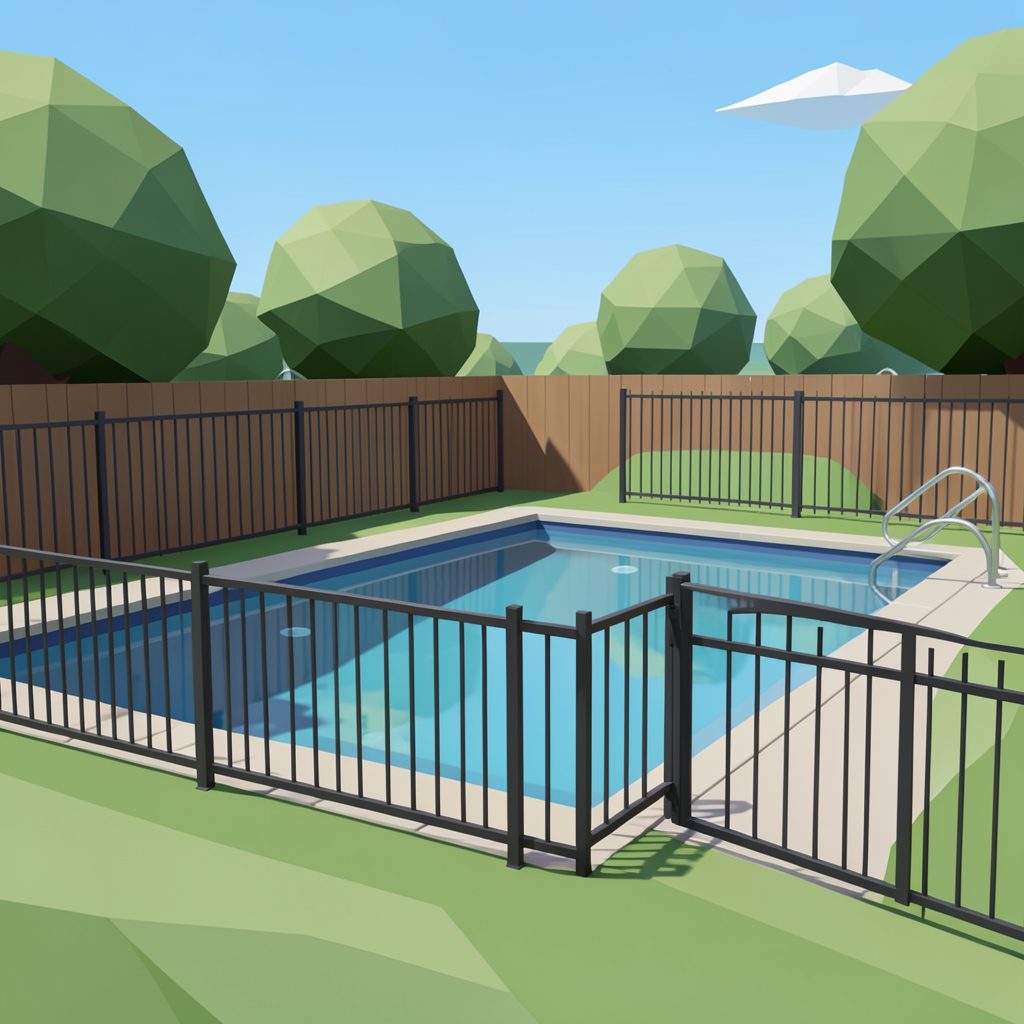 Supervision
Janice Jaicks · February 11, 2011
Supervision
Janice Jaicks · February 11, 2011
There is no substitute for eye-to-eye contact when watching children around water. Constant, close supervision is the single most effective layer of protection.
 PFD Use
Water Safety Magazine
PFD Use
Water Safety Magazine
Using a properly fitted life jacket can make the difference in an emergency. Learn when PFDs help — and when they shouldn't replace skill-building in the water.
 Open Water
Water Safety Magazine
Open Water
Water Safety Magazine
Beaches, lakes, and rivers present different hazards than pools. Understand currents, flags, and weather before entering open water.
Key Safety Practices
Around the Pool
- Install four-sided fencing with a self-latching gate to isolate the pool from the house.
- Keep a phone nearby — never leave to answer a call while children are in the water.
- Learn to recognize the signs of drowning: it is often silent, with no splashing or calling out.
- Remove toys from the pool area after use so they don't attract unsupervised children.
Boating & Open Water
- Wear a U.S. Coast Guard–approved life jacket at all times on boats and near open water.
- Check weather and water conditions before heading out; heed posted warning flags.
- Avoid alcohol while boating or swimming — it impairs judgment and coordination.
- Swim near a lifeguard whenever possible and never swim alone.
At Home
- Empty buckets, wading pools, and bathtubs immediately after use.
- Install door alarms and pool alarms as additional layers of protection.
- Enroll children in formal swim lessons — but remember that lessons do not drown-proof a child.
- Learn CPR and keep rescue equipment accessible.
Electric shock drowning is a hidden danger in marinas and around docks. The National Fire Protection Association recommends annual inspections of all electrical systems near water and never swimming within 100 yards of a marina or dock with shore power.— National Fire Protection Association guidance, as reported by Water Safety Magazine
More Resources
 Educational Videos
Watch PSAs and instructional videos on drowning prevention and safe aquatic recreation.
Browse Videos → Infographics
Visual guides covering pool safety, drowning statistics, and seasonal safety reminders.
View Infographics →
Parents & Kids
Resources and stories to help families build a culture of water safety at home.
Explore →